Beyond the Buffet: Hosting a UK Celebration Where Every Guest Can Stay
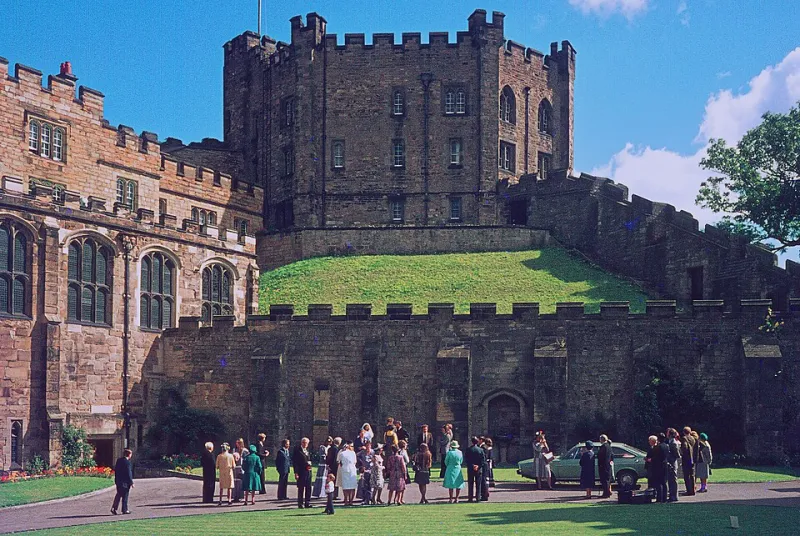
Photo: Julian Paren , CC BY-SA 2.0, via Wikimedia Commons
Somewhere between the seating plan and the buffet, a celebration can stop being welcoming for the people who find those things hardest. Not because anyone meant harm. Usually because the default guest is imagined as someone who can stand for an hour, eat whatever is put down, find the toilet in the dark and cope with a fire alarm going off during the speeches.
That default is not every body. If you are planning a wedding, a big birthday, a wake or a community meal in the UK in 2026, a little foresight goes a long way. This is not about turning your party into a risk assessment. It is about making sure the people you invited can actually be there.
Ask before you assume
Start with the invitation. You do not need a medical questionnaire. A simple line works: 'We would love you to be there. Is there anything that would make the day easier for you, such as seating, food, a quiet space, parking or timings? You do not need to explain anything you would rather not.' Give people a named person to reply to, and do not make that person the bride, the birthday person or the bereaved organiser if you can help it.
If someone says they need a break, believe them. If they ask for a chair near the exit, put one there. If they say they may leave early, do not take it personally. Asking is not the awkward bit. Guessing is.
The quiet room is not a cupboard
A real quiet room needs a door that closes, somewhere to sit that is not a stack of chairs, low light if possible, and water. It should be away from the DJ, the speeches and the main flow of people. Tell guests where it is in advance and again on the day. Put a small sign on the door so nobody has to explain themselves at the threshold.
This is not a holding pen for people who are 'struggling'. It is a normal part of the venue, like the bar or the cloakroom. If the venue does not have a spare room, ask whether an office, a side room or a quiet corner behind a curtain can be used. A car is not a universal backup: not everyone can get to one, and not everyone wants to sit alone in a car park in November.
Seating that is not just a folding chair
Folding chairs are fine for twenty minutes. They are not fine for a five-hour do. Try to offer a mix: chairs with backs and arms, space for wheelchairs, a clear aisle, and seats near an exit but not in a draught. Do not put every disabled guest at one 'accessible table' unless they have asked for that. Disabled people have friends and preferred company.
Keep pathways clear. Bags, buggies and spare chairs have a habit of colonising the exact route someone needs. If there are steps between the ceremony and the meal, say so before the day and offer an alternative. A firm chair and a clear route are not extras. They are hospitality.
Food without an interrogation
Buffets are brilliant and chaotic. Labels help. So does having a plain option that is not a afterthought, and a serving spoon for each dish. Ask about dietary needs on the RSVP, but do not ask for a medical essay. Nobody should have to announce their allergies or eating difficulties to a table of near-strangers.
If food is plated, offer choices early. If there is a long gap between canapes and the meal, say so. Keep water available, not just at the bar. And try not to make food the centre of every conversation. A bag of crisps and a glass of water at 11pm is not a failure of catering. It is often the most useful thing in the room.
Clear routes, working toilets and a torch
Can someone get out without climbing over cousins? Keep fire exits clear, and make sure the accessible toilet is not being used as a storage cupboard or locked with a key that lives behind the bar. If the car park is dark, mention it. If the drop-off point is a distance from the door, mention that too.
A simple line in the information email can save a lot of stress: 'The venue has step-free access to the main room, an accessible toilet, and a quiet room off the corridor. The car park is gravel, so drop-off at the door may be easier.' That is not over-sharing. It is useful.
Timings, noise and warnings
Speeches are better when they are shorter than you think. Use a microphone if the room is big, and remember that not everyone can hear well or lip-read from the back. A written order of the day helps people pace themselves. So does a warning before fireworks, a loud DJ set or a group game that suddenly involves everyone standing in a circle.
You do not have to cancel the fun. You just have to signpost it. 'The band starts at 8pm and is loud. The quiet room will be open all evening' is a kind thing to put on a website or in a message.
The ask is not the awkward bit
People often worry that asking about access needs will be intrusive. Done kindly, it is a relief. Try: 'We want you there. Is there anything that would make the day easier? No detail needed, just tell us what helps.' If someone asks for something unusual, ask 'Can we try?' rather than 'Is that really necessary?'
And if you are a guest who needs something, you are allowed to ask. You are not being demanding. You are helping the host do the job they signed up for.
Small things that add up
Keep a chair near the dance floor for anyone who wants to sit but still be part of it. Do not move someone's wheelchair without asking. Have water out, not just behind the bar. Tell people who the first-aid person is. Let guests leave without a big goodbye if they need to. None of this is glamorous. All of it is welcoming.
The goal is not a perfect event. It is a room where people can stay a bit longer, or leave without apology, and know they were expected. That is not extra admin. That is the whole point.