Sipping Is Not Always Simple: Hydration Hacks for Bodies That Find Drinking Hard
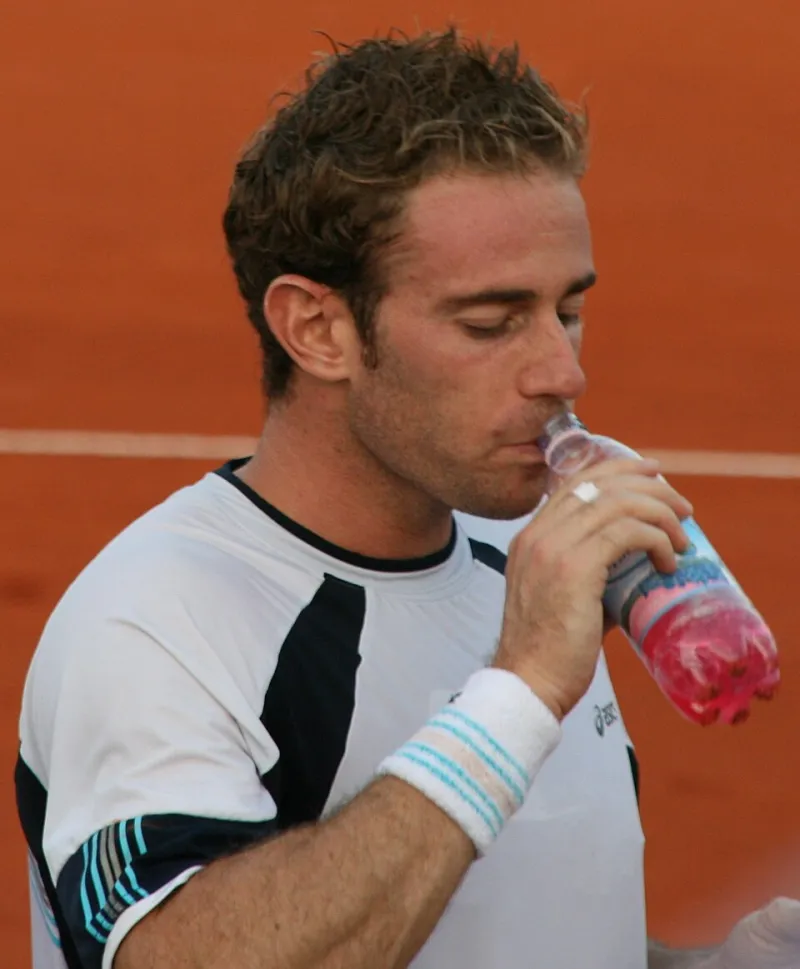
Photo: Mickey83, CC BY-SA 4.0, via Wikimedia Commons
Drinking water is one of those things everyone talks about as if it is the simplest task in the world. Just drink more. Carry a bottle. Set a reminder. For plenty of people, though, drinking is genuinely difficult. Disability, chronic illness, fatigue, medication side effects, neurodivergence and sensory differences can all turn a glass of water into a chore. This is not about willpower. It is about finding adaptations that fit your body and your day.
Start with why it is hard
Before you try a new bottle or a new app, get specific about the barrier. Is it remembering? Is it the taste? Is it the feeling of liquid in your mouth? Is it the effort of lifting a cup? Is it that you need the loo constantly and you are already exhausted? Is it that every drink feels like a task on a list that is already too long?
There is no prize for pretending the barrier is not there. If you know what is getting in the way, you can work around it. If you do not know, keep a note for a few days. Not a rigid food-and-drink diary — just a few lines about when drinking felt possible and when it did not.
Temperature changes everything
Some people cannot face room-temperature water but will happily drink it ice cold. Others find cold drinks painful or sensory-unpleasant and prefer warm water, herbal tea or a mug of hot squash. Both are fine. Hydration does not have to arrive in the form of a chilled bottle with a motivational slogan on it.
Try a few temperatures across the day. A flask of cold water by the bed. A warm drink with breakfast. Ice cubes in a cup. A slushy-style drink if you can tolerate it. The goal is not to force down the ‘right’ drink. It is to find a drink you will actually reach for.
Flavour, texture and thickness
Plain water can be boring, metallic-tasting or just unpleasant. A slice of lemon, a splash of squash, a herbal tea or a flavoured water can make a difference. If you are avoiding sugar, there are sugar-free options, but the best drink is often the one you will finish.
Texture matters too. Some people find thin liquids hard to swallow or easy to aspirate. If you have swallowing difficulties, do not change the thickness of your drinks without advice from a speech and language therapist or your GP. Thickened fluids are a clinical decision, not a wellness hack. For everyone else, texture might mean ice lollies, jelly, soup, yoghurt or fruit with a high water content. These count towards your fluid intake, even if they do not look like a glass of water.
Straws, cups and spoons
A straw can be the difference between drinking and not drinking. It can help if you have limited hand strength, tremor, fatigue or a condition that makes tipping a cup difficult. Not everyone can use a straw safely, though, especially if you have swallowing problems. If you are unsure, ask an occupational therapist or speech and language therapist.
Adaptive cups and bottles are widely available. Look for lightweight cups, two-handled mugs, weighted bases, no-spill lids, angled straws and bottles you can open with one hand. A sports bottle with a bite valve can work well for some people; a cup with a wide rim can work better for others. There is no single right answer. There is only the cup that makes drinking less of a faff.
And yes, a spoon can help. If you cannot manage a full glass, a few spoonfuls of water, soup or yoghurt still count. Sipping is not cheating. It is just a different pace.
Make reminders work for you
Reminder apps are fine if they suit your brain. For a lot of people, they become another notification to ignore. Try tying drinks to things you already do: taking medication, eating breakfast, watching a programme, finishing a task, getting into bed. Keep a bottle where you sit, not in the kitchen. Put a glass by the sink. Use a visual timer if time blindness is part of the picture.
If you have a support worker, carer or housemate, you can ask them to prompt you — but only if that feels helpful rather than nagging. The aim is to reduce the effort, not to create a hydration police force.
Medication, illness and when to get advice
Some medications cause dry mouth or make you pee more. Some conditions make thirst unreliable. If you are struggling with hydration because of medication side effects, tell your pharmacist or GP. They may be able to adjust timing or discuss alternatives. Do not stop prescribed medication on your own.
Seek medical advice if you have signs of dehydration that do not improve: confusion, dizziness, a very dry mouth, dark urine, not passing urine, a racing heart or persistent thirst. NHS 111 can advise if you are unsure. If you have a long-term condition that affects fluid balance, such as kidney or heart disease, ask your clinical team how much you should be drinking. The general ‘eight glasses’ advice is not a universal rule.
Hydration is not a moral test. It is a practical thing that some bodies find easier than others. Small adaptations — a different cup, a colder drink, a spoon, a reminder that actually fits your day — are not a fuss. They are how everyday wellness works for every body.