Plotting the Pause: A Practical Guide to Toilet-Friendly Days Out in the UK
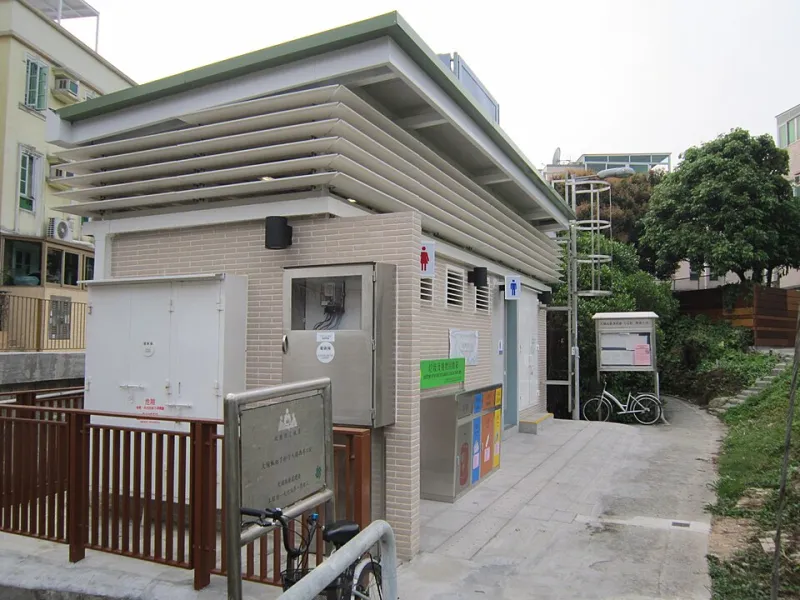
Photo: Wright, CC BY-SA 3.0, via Wikimedia Commons
Nobody puts the loo on the mood board for a day out. But if you live with IBS, a bladder condition, anxiety, pregnancy aches, a small child, a mobility aid, or simply a bladder with strong opinions, knowing where the next decent toilet is can shape the whole day. That is not being difficult. It is basic wellbeing.
Toilet access is part of accessibility, comfort and dignity. It deserves a place in the plan — just not the whole plan.
Start with the route, not just the destination
A day out is rarely one building. Think train station, bus interchange, park, café, gallery, market. Look along the corridor, not only at the final stop. Motorway services and major stations usually have toilets, though not always lovely ones. National Trust and English Heritage properties often list facilities on their pages. Council websites sometimes have public toilet maps, even if they are a bit buried. A quick look before you leave can save a lot of hovering later.
Do a five-minute recce before you leave
Check the venue website FAQ for toilets, baby changing and accessible facilities. Search AccessAble for access information. The Changing Places website can help you find toilets with hoists and adult changing benches. Apps like Flush or Toilet Finder can be useful, but treat them as leads rather than gospel — opening hours and closures change. If a place says it has an accessible toilet, ask whether it is unlocked, whether it needs a Radar key, and whether it is currently working. A sign on a door is not a guarantee.
Ask before you need to ask
A phone call or message takes two minutes. Try: ‘Hello, I’m planning a visit and need to check toilet access because of a health condition. Could you tell me where the nearest toilet is, whether it’s step-free, and if there’s a quieter time to come?’ At the venue, you can say: ‘I have a health condition and need to use the loo — can you point me to the nearest one?’ No medical essay required. Staff deal with this all day. If a café says its toilets are for customers, buying a cuppa can be the simplest fix. If not, ask about nearby public facilities.
Build pauses you’d actually enjoy
A toilet stop doesn’t have to be an emergency detour. Pair it with a bench, a coffee, a library, a gallery room. Flexible tickets and loose timings mean a queue or a closure doesn’t wreck the day. If you’re with kids, plan around their rhythm — a toddler’s bladder timetable is its own satnav. If you use a wheelchair or mobility aid, check door widths, turning space and lift access, not just the word ‘accessible’. A bit of breathing room in the schedule is not wasted time. It is what lets you stay longer.
Pack a small, dignified kit
A little pouch can take the drama out of the day: wet wipes, hand sanitiser, spare underwear or pads, disposal bags, any medication, a travel roll of toilet paper, a small torch, and a Radar key if you have one. It is not a sign that something will go wrong. It is just peace of mind in a bag. Keep it light enough that you will actually carry it.
Accessibility is more than a sign on a door
‘Accessible’ can mean many things. Some toilets are locked, used for storage, or up a flight of stairs. Changing Places facilities are designed for people who need a hoist, an adult changing bench and more space; they are not everywhere, so check ahead. If you need a companion to help you, ask whether they can come in with you. If you need gender-neutral or family facilities, ask about those too. Good access is specific, not a tick box.
Have a Plan B and a Plan C
Supermarkets, department stores, libraries, galleries, hotels and shopping centres often have toilets. A polite ask at a front desk can work surprisingly well. Motorway services are reliable-ish. Keep a mental list of two backups near your main stop. If a toilet is closed, don’t spend the day apologising or explaining. Move to the next option. The day is still yours.
Keep the day bigger than the logistics
The aim isn’t a spreadsheet. It’s confidence. A little research means you can say yes to the outing, stay for the second half, and enjoy the bit you came for. If you’re going out with someone who needs reliable toilet access, let them lead the pace and the pauses. Don’t make it a joke, a drama or a debate. Just make it part of the plan.
You deserve days out that fit your body, not ones you have to survive. Plot the pause, pack the pouch, ask the question. Then go and have the day.