Seats First, Steps Second: A Kinder Way to Plan a Walk From Your Front Door
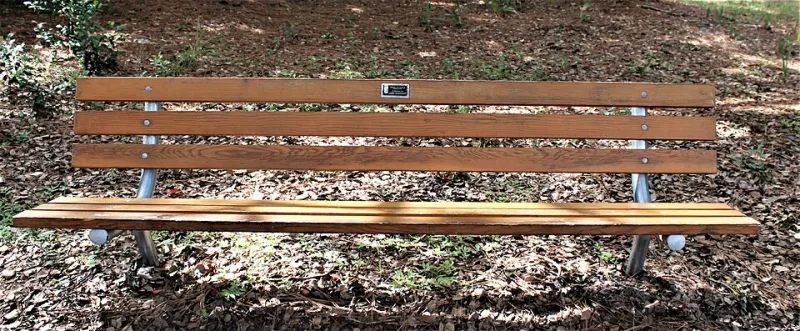
Photo: Philipp Michel Reichold, CC BY 4.0, via Wikimedia Commons
Most walking plans start with a number. Five miles. Ten thousand steps. Twenty minutes before breakfast. That works for some people, but it quietly leaves out anyone whose body asks a different question first: where can I sit down?
This is not a lecture about taking it easy. It is a practical idea for late November, when the pavements are damp and the light goes early: plan a short local walk around resting points, not distance. Call it a bench audit if you like. It is simply a walk around your own streets with your eyes on seats, shelter and loos rather than pace.
Why start with the seating?
A bench is not a luxury. It is part of the route. For someone with arthritis, long Covid, fatigue, back pain, asthma, anxiety, a pregnancy, a toddler, a stick, a wheelchair, or simply a bad night's sleep, knowing there is a place to pause can be the difference between going out and staying in.
It also helps people who do not identify with any of those labels. Bodies change. Weather changes. A route that felt fine in July can feel like a lot in the cold. Starting with places to rest is not pessimistic. It is good local planning.
The five-minute bench audit
You do not need special kit. Put on something warm, take your phone or a small notebook, and give yourself twenty minutes near home. The aim is not to complete a walk. It is to gather information.
Walk for five minutes in one direction and note every possible resting point. Then come back and try another direction on another day. A simple checklist helps:
- Benches: Are they still there? Do they have a back and arms? Are they level, dry and facing something pleasant?
- Low walls and wide ledges: Are they safe to perch on without blocking the pavement?
- Bus stops: Is there a shelter and a seat? Is it a sensible place to pause without feeling in the way?
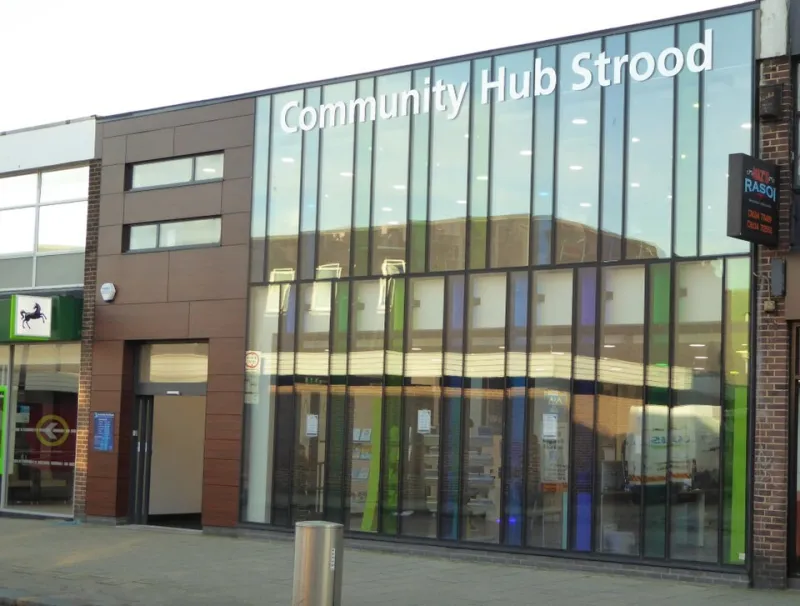
- Cafés, pubs, libraries and community centres: Could you sit for ten minutes? Is there step-free access? Do you need to buy something?
- Toilets: Where are the public ones? Are they open? Is there an accessible loo, and is a RADAR key needed? Changing Places toilets are worth noting if you need one.
- Shade and shelter: Trees, awnings, bus shelters, shop doorways that are not blocking anyone.
- Crossing points: Dropped kerbs, tactile paving, and a seat near a busy road so you can rest before crossing.
- Lighting and busy times: A route that feels fine at 10am may feel different after dark. Note when the street is quiet.
Add anything else that matters to you. A handrail. A smooth pavement. A place to put a cup down. A view of the river. A bench in the sun. The audit is yours.
Turning notes into a route
Once you have a few resting points, draw a simple loop or an out-and-back route. Ten to twenty minutes is plenty. Choose a turnaround bench — the one you can reach comfortably on a low day — and an emergency stop closer to home. If the route has a long stretch with nowhere to sit, either shorten it or find an alternative. There is no prize for endurance.
Try to walk the route once in daylight before relying on it. Check for temporary closures, bins blocking benches, or building work. Take a photo of the route map on your phone, or write three lines on a card: turn left at the postbox, bench outside the library, café on the corner. A route card is less fiddly than an app when your hands are cold.
If you use a mobility aid, check the pavement width and dropped kerbs on your audit. If you are pushing a buggy, note where you can stop without blocking a doorway. If you are noise-sensitive, note the quiet times. The best route is not the prettiest one on a map. It is the one you will actually use.
If you need to ask
Some resting points are obvious: a public bench, a library chair, a bus stop. Others need a quick question. It can feel awkward, especially if you are not spending much. A short script helps.
At a café: 'Hello, I'm doing a short walk and might need to sit for a few minutes. Is it okay if I get a tea and rest here? If not, is there a bench nearby you'd recommend?'
At a community centre or library: 'I'm planning a local walk and wondered if there is a public seat and accessible toilet I could use. I don't need to join a group today — I'm just checking.'
At a pub: 'Do you mind if I sit for ten minutes? I'm happy to order a drink. I'm checking a walking route and need a place to pause.'
Most people say yes. Some say no, or explain that the seats are for customers only. That is useful information too. Thank them and move on. You are not being a nuisance; you are asking a normal question about access.
What to take
Keep it light: phone, keys, a bit of cash or card, water, a layer, any medication you might need, and a note of your route. In winter, a small torch or charged phone light helps. If you use a RADAR key, carry it. If you need to sit on cold benches, a folded scarf or a lightweight sitting mat can make a difference. None of this is about being over-prepared. It is about removing small barriers before they become reasons to turn back.
The point is not to walk further
The point is to know your patch. To learn which bench catches the afternoon sun, which café has a step-free side door, and which bus stop is a good place to wait when your legs have had enough. A bench audit turns a vague intention to go for a walk into a route with options. It also makes your streets more legible to neighbours. Share your notes with a friend, a community group, or the local library noticeboard if they have one. Someone else will be glad you did.
You do not need to map the whole town. Start with one street, one bench, one short loop. Then, on a day when the weather is kind and your body is willing, you will already know where to pause.