Worth a Phone Call: Checking a Wellness Class Fits Before You Turn Up

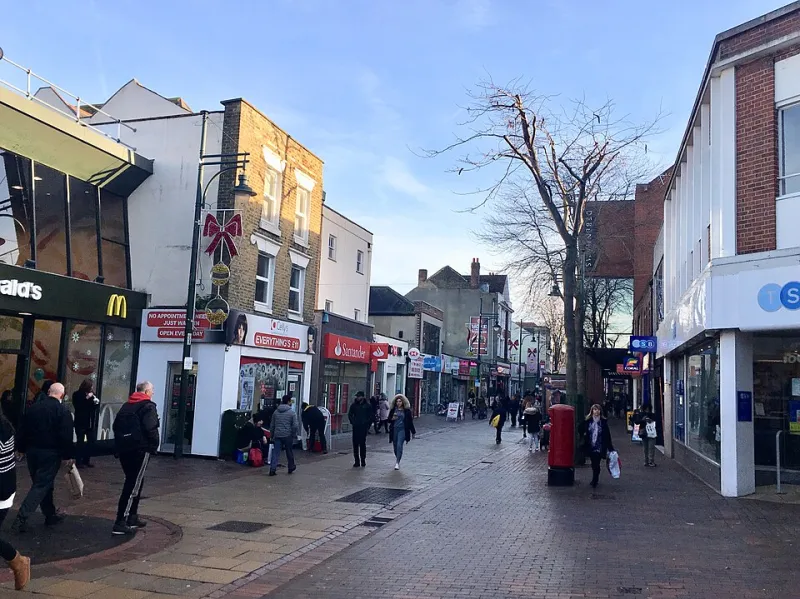
Photo: Avery Jensen, CC BY-SA 4.0, via Wikimedia Commons
With the evenings drawing in and another year of class timetables landing on doormats, plenty of us are thinking about trying something new indoors. Maybe it's a seated yoga session at the local leisure centre, an aqua aerobics class at the pool, or a tai chi group in a church hall. The advert looks welcoming. The price seems okay. But there's a gap between the glossy flyer and the reality of getting through the door, finding somewhere to sit, and knowing you can leave if you need to.
That gap is worth closing before you book. Not because you're being difficult, but because a five-minute phone call or email can save you a wasted trip and a lot of quiet worry.
Asking isn't a fuss — it's a filter
Some of us were brought up to believe that asking about access is making a scene. It isn't. You're not requesting a red carpet; you're checking whether a service works for your body and your budget. Any provider worth your time will expect the question and answer it plainly. If they sound put out, that's useful information too.
The trick is to ask in a way that's easy to answer. Vague questions get vague replies. So here are five specific things to check, with scripts you can borrow and notes on what a genuinely useful answer sounds like.
1. How do I actually get in?
Step-free access isn't just about a ramp at the front door. It's the whole route: the pavement, the bus stop, the car park, the entrance, the lift, the corridor, and the room itself.
Try: “I'm thinking of coming to the Tuesday yoga class. Can you talk me through getting into the building from the street?”
A useful answer names the entrance, mentions any ramp or lift, and tells you if a door is locked or needs a code. It might say: “The main door is step-free, but the studio is upstairs and the lift is currently out of order.” That's not a no — it's honest, and you can decide.
2. Is there somewhere to sit and catch my breath?
Not every class needs a chair, but most rooms can provide one. The question is whether the teacher knows in advance and whether sitting down mid-session is treated as normal.
Try: “I might need to sit for part of the class. Are there chairs in the studio, and is the teacher okay with people adapting?”
A good answer sounds like: “Yes, we keep chairs at the back, and the teacher will check in with you before the session.” A less good answer is: “Everyone just sits on the floor.” That might still be fine, but you now know to ask for an adjustment.
3. Where can I go if the room gets too much?
This one matters for anyone who finds busy rooms overwhelming, needs a quiet moment, or might need to leave suddenly. You want to know there's a real space, not a cupboard.
Try: “If I need to step out during the class, is there somewhere quiet I can go?”
A useful answer points to a lobby, a seating area, or an empty room — and confirms you can come back in without a fuss. If the answer is “the corridor”, ask whether there's a chair and whether it's warm. Honest details help.
4. What are the toilets like?
This is the question people most often feel awkward about, and it's one of the most important. You need to know about accessible toilets, changing facilities, and whether the route there is step-free.
Try: “Can you tell me about the accessible toilets and changing rooms? Are they on the same level as the studio?”
A good answer is specific: “There's an accessible toilet on the ground floor, but the changing rooms are upstairs.” Or: “We have a Changing Places toilet at the leisure centre.” If they don't know, ask them to check and ring you back. That's a reasonable request.
5. What will it actually cost?
Class prices can hide joining fees, membership tie-ins, equipment hire, and cancellation charges. Ask for the total cost of your first month, not just the drop-in price.
Try: “I'd like to try one class before committing. What's the total cost for a taster, including any membership or equipment hire? And do you offer concessions?”
A useful answer is clear about pay-as-you-go options, free taster sessions, concessionary rates for disabled people, students, or over-60s, and whether you can cancel without a penalty. If the only option is a twelve-month contract, that's worth knowing before you hand over your card.
What to do with the answers
Write them down while you're on the phone, or ask for an email summary. If something sounds vague, ask a follow-up: “So just to check, the accessible toilet is on the same floor as the studio?” It's not rude; it's sensible.
If the person says, “No one's ever asked that before,” that's not a rejection. It might be the start of a useful conversation. If they're defensive or dismissive, believe them. You're allowed to choose somewhere else.
A short script you can borrow
“Hi, I'm interested in the [class] on [day]. Before I book, can I check a few access things? I'll keep it quick. Can you tell me about step-free entry, seating in the room, a quiet space if I need a break, accessible toilets, and the full cost including any membership or equipment hire?”
That's it. One call, five questions, and a much clearer picture.
If the answer is no
Sometimes a venue can't meet your needs as it stands. You can ask whether they can make a reasonable adjustment — a chair, a different room, an earlier start time, a quiet corner. Under the Equality Act 2010, many providers have a duty to consider this, though the practical answer isn't always yes.
If it's still a no, look at council leisure centres, community halls, and smaller groups. They're often cheaper, more flexible, and run by people who know their building inside out. A village hall with a ramp and a kettle can be more accessible than a shiny gym with a broken lift.
Access is part of the conversation
The best class isn't the one with the flashiest timetable. It's the one you can get into, sit in, leave if you need to, and afford. Asking ahead doesn't make you high-maintenance. It makes you a person with a body, a budget, and a life — which is exactly who wellness is for.
At Wellness4All, we think access should be part of the first conversation, not an afterthought once you've already paid. So pick a class, pick up the phone, and ask. You're not being a nuisance. You're doing the venue a favour by telling them what works.